

Your Guide to Understanding AC Float Switches
Learn how this simple safety device can save your Houston home from thousands in water damage
A Homeowner's Worst Nightmare

A clogged AC drain can devastate your home in just hours
You've had a long day at work. After fighting Houston traffic and making a quick grocery run, you're finally home. You walk through your front door and immediately notice something wrong – that unmistakable squishing sound under your feet. Your heart sinks as you realize your carpet is completely soaked.
Following the steady dripping sounds, you discover the source of this disaster. Looking up, you see your living room ceiling has completely collapsed, with wet drywall scattered across your furniture and a continuous stream of water pouring from what was once your ceiling.
Your first thought? "Is this a poltergeist? a roof leak? But it didn't even rain today..." Then it hits you – directly above this mess is your air conditioning system in the attic. A quick investigation confirms your worst fears: water is overflowing everywhere from your AC system, saturating the ceiling below.
"How did this happen? Could I have prevented this disaster?"
The answer is yes – and understanding how your AC system handles water is the key to prevention. Let's explore what went wrong and how you can protect your home from this expensive nightmare.
The good news? This disaster is completely preventable.
How Your AC System Handles Water
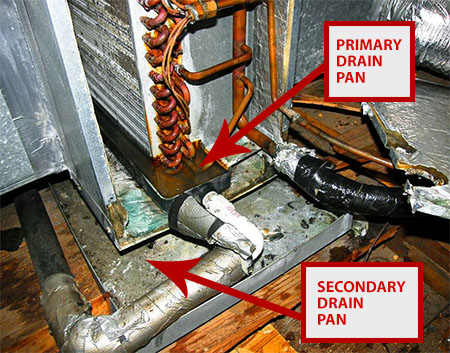
Every AC system should have both primary and secondary drainage protection
Here's something many homeowners don't realize: your air conditioner is constantly removing water from your home's air. Beyond cooling, your AC system works as a giant dehumidifier, extracting moisture and collecting it in drain pans hidden inside your system.
Daily Water Removal
20-30 gallons in Houston's humidity
Primary Drainage
Main water collection system
Backup Protection
Secondary overflow system
In Houston's humid climate, air conditioning systems can remove 20-30 gallons of water daily from your home's air, and, all of this water must drain somewhere- Typically into your home's plumbing system through a bathroom sink, plumbing vent stack, or drain.
When these drain lines become clogged (and they frequently do), your AC continues operating normally, but all that collected water has nowhere to go. The drain pan quickly fills and overflows onto whatever's below – usually your ceiling.
Recognizing this common problem, Houston building codes now require secondary drain pans beneath every AC system as backup protection. This extra layer catches overflow from the primary system, but what happens when both systems fail?
Why Both Primary and Secondary Drains Fail
"Great! My AC has two drain systems, so I'm protected, right?" Unfortunately, both primary and secondary drain lines can clog – and it happens more often than you'd expect.
"But why do drain lines clog so easily? What causes this problem?"
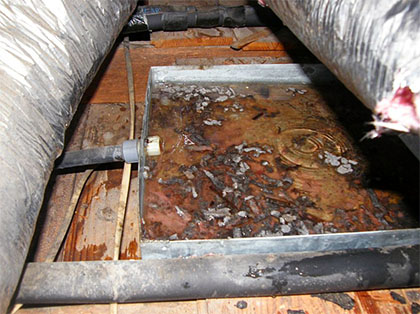
Even backup systems can fail when not properly maintained
Think of your AC drain lines like a neglected swimming pool. When pool water goes untreated, you get slime, algae, and bacteria growth. The same thing happens inside your AC drain pans – but with a crucial difference.
Unlike swimming pools, AC systems must drain through narrow pipes filled with traps, turns, and bends. These restrictions make drain lines extremely susceptible to blockages once biological growth begins forming.
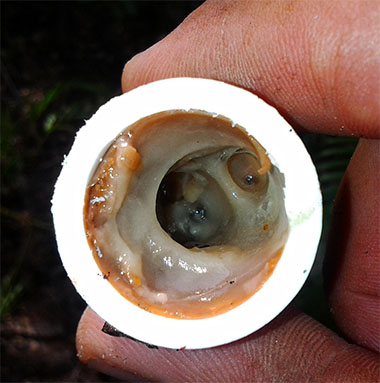
Once severely clogged, drain lines often require complete replacement
The problem worsens during Houston's off-season when heating systems run instead of AC. During these months, stagnant moisture hardens into calcium-like deposits. When cooling season returns and your AC kicks back on, new slime forms over these hardened layers, creating virtually impossible blockages.
This cycle means once a drain line clogs, it will likely clog again and again without proper treatment and maintenance. Regular professional cleaning is essential, but what protects you when you're away from home or when clogs develop suddenly?
"I can't monitor my AC drains 24/7. What if I'm at work, on vacation, or there's an emergency? How can I prevent this disaster from happening?"
The Float Switch Solution: Your 24/7 Water Guardian
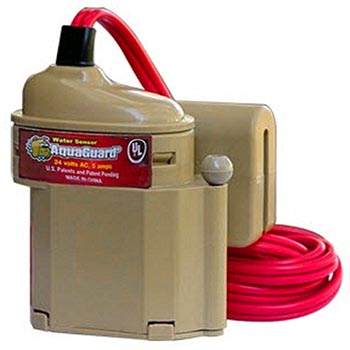
A float switch acts as your home's water damage protection system
Here's the solution: An AC float switch is your intelligent water sentinel. This electronic sensor continuously monitors your AC system for water backup. When it detects a clogged drain situation, it immediately shuts down your entire air conditioning system.
"Wait – it shuts off my AC? In Houston heat? Why would I want that?"
Excellent question! When your AC shuts off, it stops pulling moisture from the air, which means it stops adding water to already-clogged drains. No new water means no overflow, no ceiling damage, and no thousands of dollars in repairs.
In Houston's heat, you'll quickly notice when your AC isn't running. This immediate alert gives you time to identify the problem and call for professional service – before any damage occurs.
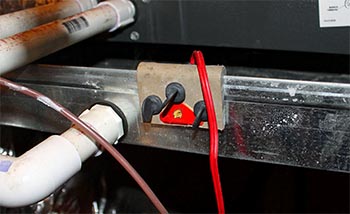
Professional installation ensures optimal protection and system integration
Protection Benefits
- • Prevents catastrophic water damage
- • Protects ceiling and flooring investments
- • Automatic 24/7 monitoring
- • Peace of mind during travel
- • Saves thousands in repair costs
- • Preserves home insurance coverage
Available Options
- • Pan-mounted clip-on switches
- • In-line drain pipe sensors
- • Magnetic float detection
- • Wireless alert systems
- • Dual-switch configurations
- • Smart home integrations
Float switches come in various configurations to match different AC systems and homeowner needs. Some include audible alarms, visual indicators, or even smartphone notifications. The key is choosing the right type for your specific system and having it properly installed.
For DIY-minded homeowners familiar with basic electrical work, installation can be straightforward. However, professional installation ensures optimal placement, proper wiring, and system integration. Remember: when dealing with electricity, safety comes first – always follow manufacturer instructions and local codes.
Investment vs. Protection: The Smart Choice
A $150-300 float switch can prevent $15,000+ in water damage repairs
Many homeowners discover their new home already has a float switch installed – previous owners understood their value. If you're unsure, check your AC system or have a professional inspect during your next maintenance visit.
Even with a float switch, regular drain line maintenance remains crucial. Professional cleaning and treatment prevent the buildup that causes clogs in the first place, ensuring your entire protection system works optimally year-round.
Protect Your Investment, Protect Your Peace of Mind
Install a float switch today
Don't Wait for Disaster to Strike
Protect your Houston home today with professional float switch installation and comprehensive drain maintenance services from Adams Air.